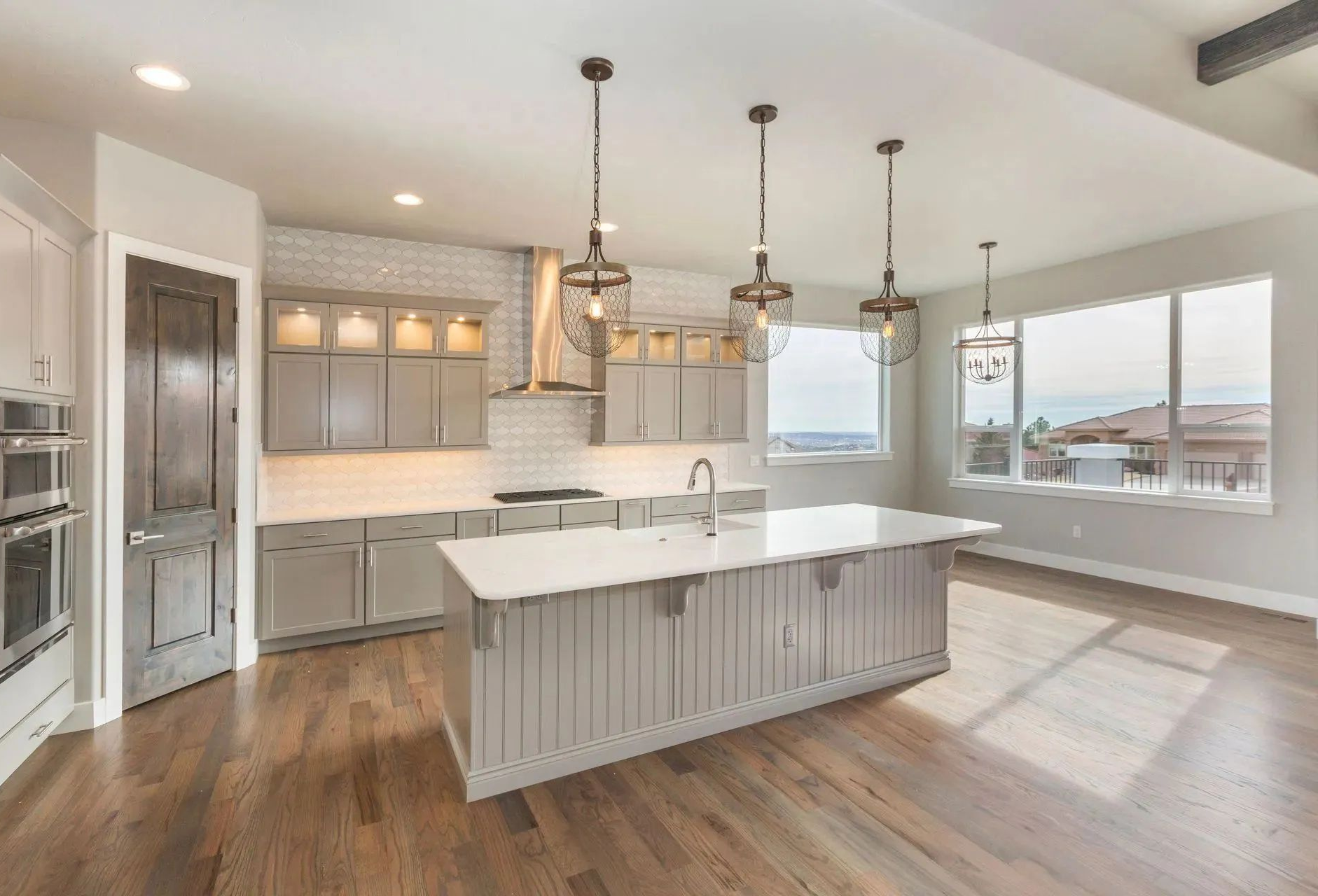
When Kitchen Remodeling Is the Right Investment for Your Home
September 23, 2026
The decision to improve a home often involves balancing personal preferences with long-term financial considerations. Among all possible upgrades, kitchen remodeling consistently ranks as one of the most influential projects a homeowner can undertake. The kitchen serves as a central gathering place, a workspace, and a reflection of the household’s style and priorities. Because of its functional and symbolic importance, changes made in this space can significantly impact daily life and property value.
However, not every home requires immediate renovation. Determining when kitchen remodeling is the right investment depends on factors such as functionality, safety, market conditions, and long-term goals. Some homeowners pursue improvements to enhance resale potential, while others seek to correct structural deficiencies or modernize outdated layouts. Understanding the appropriate timing and scope of renovation ensures that the investment aligns with both practical needs and financial objectives.
Recognizing Functional Limitations in the Existing Layout
One of the clearest indicators that kitchen remodeling may be warranted is a layout that no longer supports daily routines. Older kitchens were often designed with closed-off floor plans, limited storage, and inefficient work triangles. As lifestyles have evolved, many households prefer open concepts that connect cooking areas with dining and living spaces. When movement feels restricted or when appliances are poorly positioned, productivity and comfort decline.
Functional limitations may also include insufficient counter space, inadequate cabinetry, and a lack of dedicated zones for preparation, cooking, and cleanup. If household members routinely struggle to find storage or encounter workflow obstacles, the kitchen may be working against them rather than supporting them. In these situations, kitchen remodeling can transform an inefficient environment into a streamlined, organized space.
Additionally, growing families or multigenerational households often outgrow their original layouts. More frequent cooking, entertaining, and shared activities increase the demand for flexible design solutions. When the current configuration cannot accommodate these evolving needs, renovation becomes a strategic solution rather than a cosmetic preference.
Addressing Structural Wear and Safety Concerns
Beyond layout inefficiencies, structural deterioration is another compelling reason to consider kitchen remodeling. Cabinets may warp over time, flooring can suffer from moisture damage, and outdated wiring or plumbing may no longer meet modern codes. These issues can compromise both safety and long-term durability.
Electrical systems installed decades ago were not designed to support today’s high-powered appliances. Similarly, plumbing components may corrode or develop leaks, leading to hidden water damage behind walls or beneath flooring. When these problems emerge, partial repairs may offer temporary relief but fail to resolve underlying vulnerabilities. In such cases, comprehensive kitchen remodeling provides an opportunity to update infrastructure and reduce the risk of future complications.
Safety also extends to accessibility. Aging homeowners may find that narrow pathways, high cabinets, or inadequate lighting increase the risk of injury. Renovating with improved lighting, accessible storage, and slip-resistant surfaces can enhance safety while preserving independence. When health, security, or code compliance becomes a concern, remodeling moves from optional to essential.
Evaluating Financial Return and Long-Term Value
Home improvement decisions often involve careful cost analysis. While kitchen remodeling can represent a significant financial commitment, it also has the potential to increase resale value and market appeal. Prospective buyers frequently prioritize updated kitchens when comparing properties, viewing them as indicators of overall maintenance and modernization.
According to The Oregonian, the median cost of kitchen remodels nationwide is $60,000. This figure underscores the importance of strategic planning and realistic budgeting. Although not every renovation yields identical returns, well-executed improvements often recover a substantial portion of their cost at resale. More importantly, homeowners benefit from enhanced functionality and aesthetic enjoyment during the years they occupy the property.
Financial value should not be measured solely in resale terms. Energy-efficient appliances, LED lighting, and improved insulation can reduce monthly utility expenses. Durable materials may minimize maintenance costs over time. When evaluated holistically, kitchen remodeling can deliver both immediate lifestyle benefits and long-term financial advantages.
Aligning Design Choices With Lifestyle Changes
Major life transitions frequently signal the right time for kitchen remodeling. Changes such as welcoming children, adjusting to remote work, or preparing for retirement alter how a home is used. A kitchen that once met basic needs may no longer reflect daily routines.
For households that entertain regularly, expanded seating areas, larger islands, and upgraded appliances can support social gatherings. Those who cook extensively may prioritize professional-grade equipment, enhanced ventilation, and ample prep space. Conversely, homeowners seeking simplified maintenance may prefer low-maintenance surfaces and streamlined storage systems.
Remote work has also increased the multifunctional use of kitchens. Some homeowners integrate small desk areas or charging stations to accommodate modern demands. When a kitchen’s existing design fails to reflect current habits, kitchen remodeling offers an opportunity to realign the space with lifestyle priorities.
Design alignment also involves aesthetic considerations. Outdated finishes, color schemes, or materials can make a home feel disconnected from contemporary tastes. Updating cabinetry, countertops, and lighting can create visual cohesion and renew a sense of pride in ownership. When personal style evolves, renovation becomes a means of harmonizing environment and identity.
Responding to Market Conditions and Neighborhood Standards
Real estate trends influence the timing of renovation decisions. In competitive housing markets, updated kitchens often serve as distinguishing features that attract buyers and support higher listing prices. If neighboring properties have undergone renovations, an outdated kitchen may place a home at a disadvantage.
Homeowners planning to sell within a few years may view kitchen remodeling as a preemptive strategy to strengthen market positioning. Even modest updates can refresh the appearance of a property and reduce buyer objections. However, the scale of renovation should align with neighborhood standards. Over-improving beyond comparable homes may not yield proportional returns.
Planning for Sustainable and Energy-Efficient Improvements
Sustainability considerations increasingly shape renovation decisions. Older kitchens often contain inefficient appliances, outdated lighting, and materials that lack environmental durability. Upgrading these elements can reduce environmental impact while enhancing performance.
Energy-efficient refrigerators, dishwashers, and induction cooktops consume less electricity and water than older models. Improved insulation and high-performance windows contribute to temperature stability. Even choices such as low-flow faucets and sustainable cabinetry materials influence overall environmental footprint.
Kitchen remodeling also allows homeowners to integrate waste-reduction systems, including recycling and composting stations. Thoughtful planning can promote environmentally responsible habits while maintaining aesthetic appeal. As energy costs rise and environmental awareness expands, sustainable renovation choices represent both ethical and practical investments.
Weighing Personal Satisfaction Against Project Disruption
Despite its benefits, kitchen remodeling involves temporary inconvenience. Construction noise, limited access to appliances, and dust can disrupt daily routines. Evaluating readiness for this disruption is an essential component of the decision-making process.
Ultimately, personal satisfaction plays a significant role in determining whether the investment is justified. If frustration with the existing kitchen consistently affects daily experiences, the intangible cost of dissatisfaction may outweigh temporary inconvenience. Conversely, if minor updates can resolve concerns, full-scale renovation may not be necessary.
Kitchen remodeling should be approached as a deliberate, informed choice rather than an impulsive reaction to trends. When functional deficiencies, safety concerns, lifestyle changes, financial considerations, and sustainability goals converge, renovation becomes a logical and rewarding investment.
A well-timed project has the capacity to transform not only the physical environment but also the overall quality of life within the home. By carefully evaluating needs, objectives, and resources, homeowners can determine whether kitchen remodeling represents the right step forward. Call Kitchen & Bath Center LLC today to schedule a consultation for your kitchen or bath remodeling.