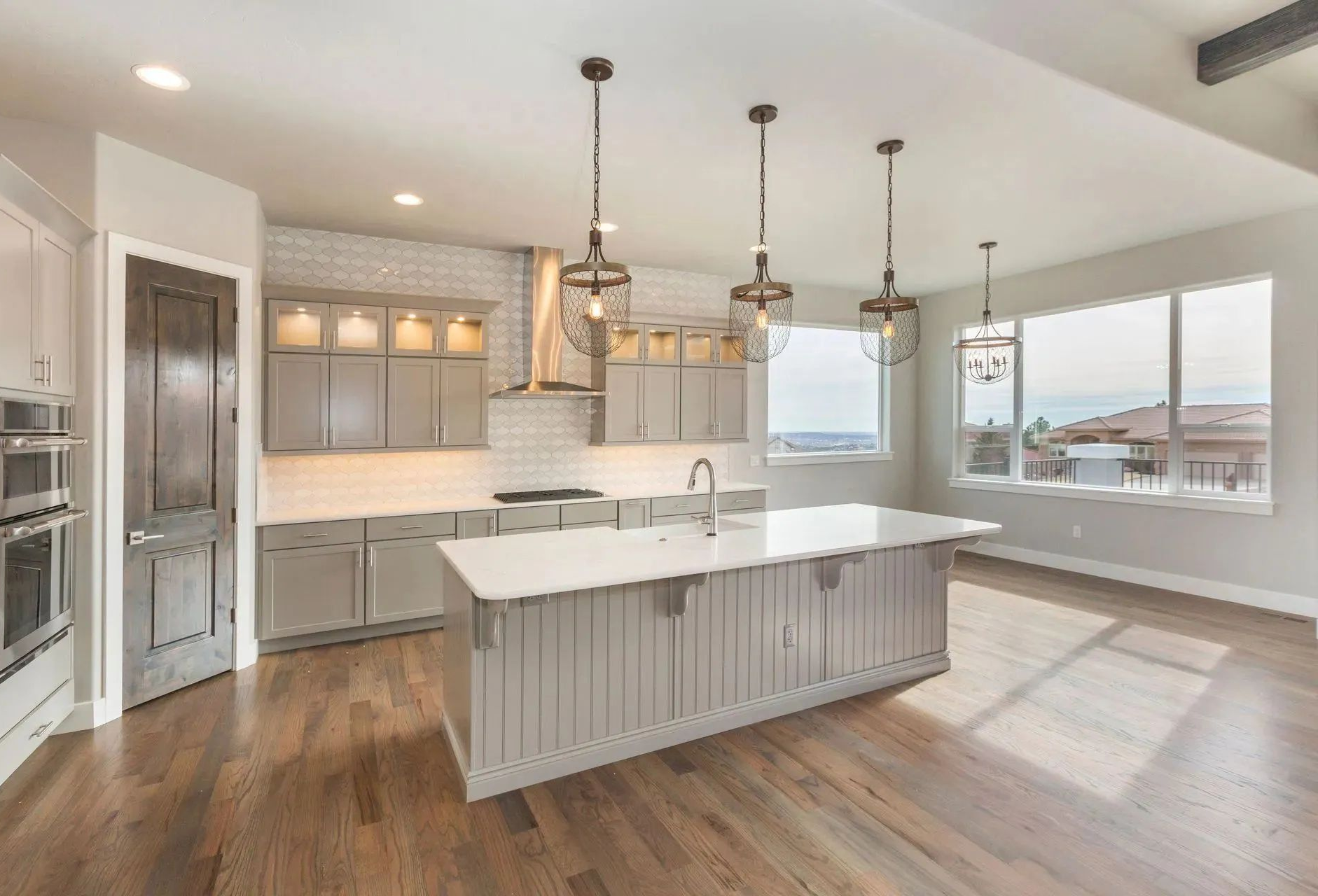
How to Choose the Right Countertop for Your Kitchen
September 23, 2026
Choosing a new kitchen countertop is a major decision because it affects the way your space looks, functions, and holds up over time. Countertops play a central role in meal preparation, cleaning, storage, and the overall design of the room. With so many materials, colors, finishes, and edge profiles available, it can be difficult to know which option makes the most sense for your household. A thoughtful approach can help you balance style with durability so your investment supports both your daily routine and your long-term goals, especially when planning for countertop installation.
The right surface should complement your cabinets, flooring, and backsplash while also matching the way you use your kitchen every day. Some homeowners want a natural stone surface with character, while others prefer low-maintenance materials that are easy to clean and resistant to wear. Budget, upkeep, and installation quality all play an important role as well. Whether you are planning a full remodel or replacing an outdated surface, understanding the strengths of different materials can make the selection process much easier. In this article, we will explain how to choose the right countertop for your kitchen with greater clarity and confidence.
Consider Your Kitchen Habits First
Before comparing materials, it helps to think about how your kitchen is used on a daily basis. A household that cooks often, entertains guests, or has children may have very different needs from a kitchen that is used more lightly. If you prepare meals every day, you may want a surface that resists scratches, heat, and stains while still being simple to wipe down after use. If your kitchen also serves as a homework spot, snack station, or gathering place, the countertop needs to stand up to frequent activity without showing wear too quickly. Choosing with your routine in mind can narrow down your options and keep the project focused on what matters most.
Your cooking habits can also influence the layout and design of the finished space. Some homeowners need plenty of uninterrupted prep space, while others care most about creating an attractive island for serving and seating. This is where planning for countertop installation becomes especially important, because the right material should fit both your visual goals and your practical needs. Thinking about how often you chop, bake, clean, and entertain can help you decide whether you want something natural and distinctive or something more uniform and low maintenance. A countertop should do more than look good in photos; it should support the way your kitchen actually functions.
Compare Material Performance Carefully
Each countertop material offers a different combination of appearance, durability, and care requirements. Granite remains popular because of its natural beauty and strength, and it offers a one-of-a-kind look with variation in color and pattern. According to Bob Vila, the longevity of granite countertops is 30 to 100 years. Quartz is another common choice because it offers a polished appearance with less maintenance than some natural stone options. Laminate, butcher block, marble, and solid surface materials also appeal to homeowners for different reasons, whether that means affordability, warmth, elegance, or design flexibility.
Looking beyond appearance is one of the most important parts of the selection process. Some materials are better at resisting stains, while others may need more routine sealing or more careful use around heat and moisture. Marble, for example, offers a beautiful and classic look, but it can be more prone to etching and scratching in a busy kitchen. Butcher block brings warmth and character, though it may need regular upkeep to protect the wood. As you compare materials, think about how much maintenance you are willing to take on after the countertop installation is complete. A surface that fits your lifestyle will usually provide better long-term satisfaction than one chosen only for appearance.
Match Your Design Goals Thoughtfully
Your countertop choice has a strong visual impact, so it should work well with the rest of your kitchen design. Color, pattern, finish, and edge style all contribute to the final result. A bold countertop can become the focal point of the room, while a softer, more neutral option can create a timeless backdrop that allows cabinetry and fixtures to stand out. Lighter surfaces often help kitchens feel more open and bright, while darker tones can add richness and contrast. The goal is to choose a material that feels cohesive with the rest of the space rather than disconnected from it.
It is also helpful to think about how trends may influence your decision. While dramatic patterns or very specific colors may feel exciting in the moment, some homeowners prefer a more versatile look that will age well over time. Samples should be viewed in your own kitchen lighting, because natural and artificial light can change how a material appears throughout the day. During the planning stage, many homeowners also begin discussing sink placement, edge details, and seam locations, all of which affect the finished appearance after countertop installation. A beautiful result usually comes from combining style preferences with practical design planning instead of focusing on one factor alone.
Plan for Maintenance and Longevity
Every countertop material has a different maintenance profile, and this should be weighed carefully before making a final choice. Some surfaces are easy to clean with mild soap and water, while others benefit from periodic sealing or more cautious day-to-day use. If you want a surface that requires minimal upkeep, you may lean toward options that resist staining and do not need frequent treatment. If you love the natural character of stone or wood, you may be more comfortable with a material that asks for a little more regular care. Understanding these trade-offs can help you avoid frustration after the project is finished.
Longevity is another important part of the equation because a kitchen countertop is not something most homeowners want to replace often. A durable material installed well can continue looking attractive and performing reliably for many years. That is why it is helpful to think not only about how the countertop will look on day one, but also about how it will age with regular use. Cleaning habits, cooking routines, moisture exposure, and sun exposure can all affect long-term performance. When you choose a material with realistic expectations about maintenance and wear, the final countertop installation is more likely to feel like a smart and lasting investment.
Choose Your Installer With Confidence
Selecting the right material is only part of the process because the final result also depends heavily on the quality of the workmanship. Even an attractive and durable product can fall short if measurements are inaccurate or seams, edges, and cutouts are poorly handled. Working with an experienced professional helps support a smoother process from consultation to fabrication to final placement. Clear communication about project timelines, material availability, and design preferences can also make the experience less stressful and more predictable for the homeowner.
It is a good idea to ask questions about experience, project photos, timelines, and what is included in the scope of work before making a final decision. Professional guidance can help you choose a material that fits your household, your style, and your budget without overlooking practical concerns. The last thing most homeowners want is to invest in a new surface only to be disappointed by the finished details. A well-planned countertop installation can bring beauty, convenience, and value to your kitchen for years to come, especially when the project is completed by a trusted local company.
Choosing the right countertop for your kitchen means balancing style, durability, maintenance, and budget in a way that fits your everyday life. When you take the time to compare materials, review design goals, and work with skilled professionals, you can feel better about the final result. To start planning your kitchen upgrade, contact Kitchen & Bath Center LLC today for professional
countertop installation.
This is paragraph text.
The body content of your post goes here. To edit this text, click on it and delete this default text and start typing your own or paste your own from a different source.