Kitchen Remodeling Tips for Older Homes
September 23, 2026
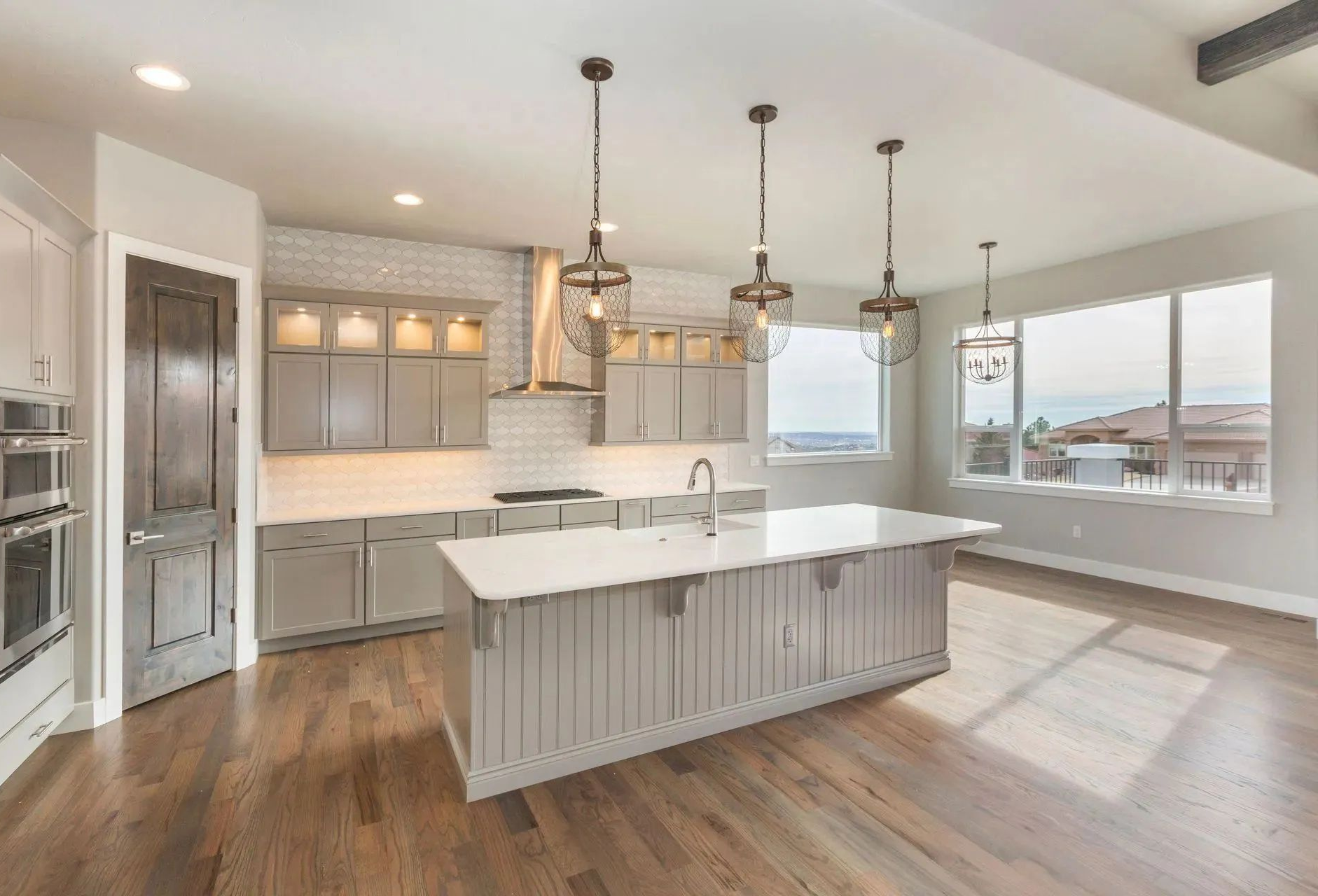
Renovating an aging house presents unique challenges for any property owner. Homeowners face hidden issues behind thick plaster walls and uneven sagging floors. Despite these frustrating hurdles, updating culinary spaces brings immense satisfaction to residents. Proper planning ensures a successful outcome without compromising historical character or original craftsmanship. A thoughtful approach to kitchen remodeling balances modern convenience with vintage appeal, creating a beautiful gathering space.
Embarking on this journey requires immense patience and keen foresight from the homeowner. Antique structures hold deep secrets beneath their floorboards and behind their lath. Recognizing potential obstacles saves valuable time and financial resources during construction. Homeowners must prepare for unexpected discoveries like concealed water damage or dry rot. Careful preparation transforms a daunting task into a rewarding endeavor, resulting in a spectacular home transformation.
Evaluating the Structural Integrity
Older houses feature framing styles distinct from contemporary construction methods. Wood degrades over time due to continuous moisture penetration or destructive pest infestations. Inspecting floor joists and load-bearing walls remains an essential step before proceeding with aesthetic changes. Sagging ceilings indicate severe foundational weaknesses requiring immediate attention from building professionals. Addressing structural concerns guarantees a safe living environment for residents and prevents future house settling.
Before installing heavy stone countertops, reinforcing the floor system is an absolute necessity. Sagging floors cannot support the immense weight of contemporary appliances and solid granite. Contractors assess existing joists to determine their load-bearing capacity and identify weak points in the framing. Reinforcement prevents future structural damage to expensive finishes and custom cabinetry. Structural stability forms the strong backbone of any successful home renovation project.
Uneven walls complicate cabinet installation and countertop templating procedures. Plaster walls shift and settle over the years, creating awkward, wavy surfaces. Creating a plumb wall surface requires skilled craftsmanship and steady patience. Shimming and furring out framing studs create a straight base for secure cabinetry attachment. Flawless execution prevents awkward gaps and misaligned cabinet doors. This meticulous attention to detail elevates the entire kitchen remodeling process.
Removing interior partitions to create an open floor plan demands extreme caution from builders. Load-bearing walls support the roof framing and upper levels of the historic house. Consulting a structural engineer prevents catastrophic framing failures and collapsing plaster ceilings. Heavy support beams must replace the removed walls to maintain structural integrity and load distribution. This modification alters the traffic flow of the house while preserving overall building stability.
Updating the Electrical Systems
Antique homes feature outdated wiring systems inadequate for modern household power demands. Degraded knob-and-tube systems pose severe fire risks due to failing insulation materials. Current building codes mandate grounded electrical circuits for basic household safety. Upgrading the main electrical panel accommodates heavy-duty appliances like convection ovens and smart refrigerators. Safe power distribution is a non-negotiable requirement in culinary spaces where heat and running water mix.
Contemporary kitchen appliances require dedicated circuits to function without overloading the house system. Microwaves and dishwashers draw significant electrical current during their operation cycles. Without dedicated power lines, circuit breakers trip, causing immense frustration during meal preparation. Electricians install fresh copper wiring to support these high-demand devices and ensure uninterrupted use. Adequate power supply enhances functionality, safety, and the overall cooking experience for the homeowner.
Illumination plays a crucial role in culinary workspaces and adjoining dining areas. Historic houses lack sufficient overhead lighting for detailed food preparation tasks. Recessed ceiling fixtures and under-cabinet lights brighten dark corners and shadowy stone countertops. Proper illumination reduces eye strain and improves task visibility during elaborate meal prep. Kitchen remodeling involves planning a comprehensive lighting scheme to brighten the entire living area.
Strategic placement of electrical outlets improves cooking convenience and appliance accessibility. Building codes dictate specific outlet spacing along countertops to prevent dangerous cord stretching. Ground-fault circuit interrupters protect residents against electric shocks near wet sink areas. Upgraded wall outlets accommodate small countertop appliances like high-powered blenders and toaster ovens. Accessible power points streamline meal preparation tasks and keep countertops organized and free of dangerous cord clutter.
Navigating the Plumbing Networks
Cast-iron drain pipes deteriorate and restrict water flow to sinks and dishwashers. Galvanized steel supply lines rust from the inside out, causing hidden leaks within plaster walls. Replacing antiquated plumbing lines prevents catastrophic water damage and dangerous mold growth. Copper or modern synthetic pipes offer superior long-term durability and cleaner drinking water delivery. Reliable water pressure depends on upgrading these vulnerable network connections.
Relocating sinks and dishwashers involves rerouting water supply lines and main drain pipes. Piercing historic hardwood floors for new plumbing requires precision to avoid damaging critical structural joists. Proper pipe venting eliminates foul sewer odors and ensures smooth water drainage from deep wash basins. Plumbers navigate tight dirt crawlspaces to install these crucial piping components without issue. Efficient water management is vital for daily household chores.
Integrating modern plumbing fixtures with historic interior architecture requires careful selection and an eye for period design. Faucets should reflect the building era of the house while offering contemporary features like pull-down sprayers. Deep porcelain basins accommodate large cooking pots and pans used in elaborate meal preparation. A cohesive fixture design merges aesthetic appeal with everyday utility. Quality hardware withstands daily wear and tear.
Homeowners reap substantial financial benefits from these essential hidden infrastructure upgrades. Improving functional systems elevates overall property value in competitive local real estate markets. Prospective property buyers appreciate updated infrastructure and move-in readiness when touring historic houses. According to RubyHome, kitchen remodeling projects can produce an ROI of up to 113%. This impressive financial return justifies the initial capital expenditure required to modernize the underlying plumbing networks.
Preserving the Historical Charm
Retaining original architectural elements adds unique character to the renovated space. Refinishing original hardwood floors reveals beautiful wood grain patterns hidden beneath layers of old linoleum. Exposed brick chimney walls provide visual texture and inviting warmth to the room. These distinct features connect the house to its rich past. Integrating these historic details honors the original craftsmanship and maintains the authentic feel of the residence.
Selecting appropriate building materials maintains the desired historic aesthetic of the room. Classic subway tile backsplashes and dark soapstone countertops suit traditional vintage designs. Custom wood cabinetry replicates authentic vintage styling from previous eras. Hardware choices, like antique glass knobs or aged brass pulls, reinforce the targeted period look. A successful kitchen remodeling project respects the architectural heritage while updating the space for modern living.
Repurposing vintage materials offers an eco-friendly design approach for conscious homeowners. Salvaged barn wood becomes rustic floating shelves or a unique center island top. Antique brass light fixtures add genuine authenticity and irreplaceable charm to the ceiling. Sourcing reclaimed architectural items creates a customized look impossible to replicate with modern mass-produced goods. This thoughtful strategy blends environmental sustainability with historic preservation and interior beauty.
Matching custom wood millwork requires skilled artisans and precise cutting tools. Crown molding and floor baseboards must align with existing room trim. Replicating historical wood profiles integrates the new space with adjoining formal dining rooms. Attention to these intricate architectural details creates a cohesive visual flow throughout the historic house. The stunning result is a harmonious visual blend of old and new design elements.
Renovating a historic culinary space involves complex problem-solving and immense dedication. Success requires navigating tough structural constraints and updating antiquated household systems. Upgraded electrical wiring and modern plumbing pipes ensure safety and daily functionality. Preserving original architectural features maintains the unique soul and character of the vintage house. Diligent planning turns a challenging construction process into a triumphant achievement for any dedicated property owner.
A well-executed kitchen remodeling project breathes fresh life into an aging residence. Homeowners enjoy improved cooking efficiency and enhanced visual aesthetics. The seamless blending of modern convenience and vintage charm creates a captivating atmosphere for family gatherings. Honoring the past while embracing the present yields a functional, beautiful gathering place. This careful balance ensures the home remains a cherished sanctuary for generations to come. Contact Kitchen & Bath Center LLC to discuss your vision and navigate the unique challenges of your historic home. We are ready to guide you through a seamless
kitchen remodeling experience.
This is paragraph text.
The body content of your post goes here. To edit this text, click on it and delete this default text and start typing your own or paste your own from a different source.
This is paragraph text.
The body content of your post goes here. To edit this text, click on it and delete this default text and start typing your own or paste your own from a different source.