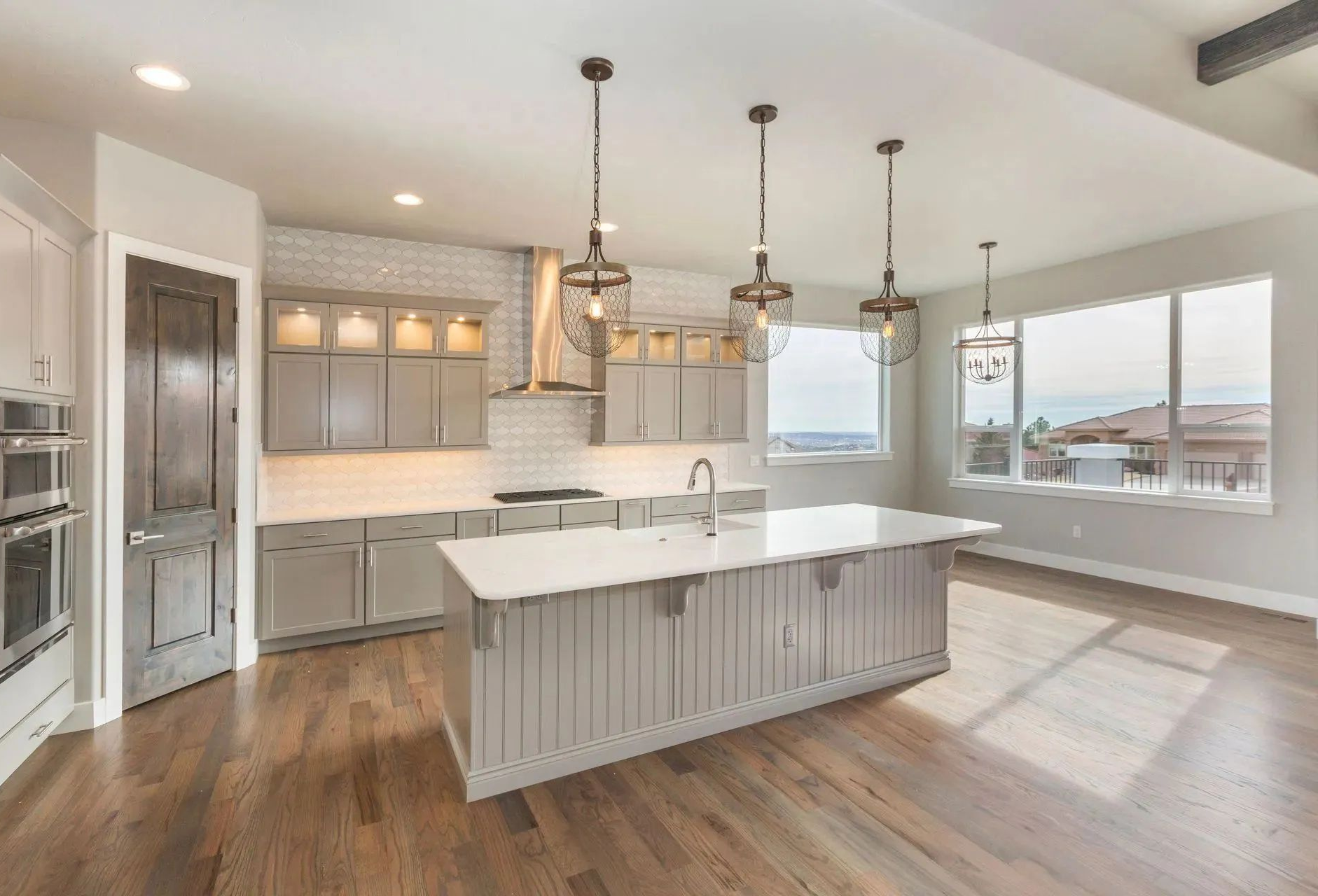
Environmental Factors to Consider Before Kitchen Remodeling
September 23, 2026
This is a subtitle for your new post
When planning a kitchen remodeling project, it's essential to consider various environmental factors that can significantly impact the sustainability and efficiency of your project. The choices you make can not only affect the planet, but also the health of your home environment and the longevity of the renovation. This article explores critical considerations to help you make eco-friendly, efficient choices that enhance both the functionality and aesthetic of your new kitchen space.
The impact of your remodel can extend beyond your own home to influence broader changes in how materials are sourced and reused. We will explore various strategies to implement these changes, including selecting the right materials, incorporating energy-efficient technology, and improving waste management.
Choosing Sustainable Material Options
Using Recycled Materials
Incorporating recycled materials into your kitchen remodeling project can significantly reduce your environmental footprint. Recycled materials often require less energy to produce compared with virgin materials, thereby minimizing the carbon footprint. They also help in reducing waste sent to landfills, which is critical in waste management and environmental conservation. From recycled glass countertops to repurposed wood cabinetry, options abound for those willing to prioritize sustainability. Using recycled materials often comes with unique aesthetic advantages, offering a one-of-a-kind look that can personalize your kitchen space.
Choosing recycled materials doesn’t mean sacrificing quality or style. In fact, manufacturers have designed many recycled products to compete with traditional building materials. Some recycled materials, like composite lumber made from waste paper and wood fibers, can offer enhanced durability and moisture resistance. Supporting recycled products through your purchases encourages further innovation and growth in this sector. Ultimately, integrating recycled materials helps conserve natural resources and fosters a more sustainable future.
Selecting Eco-friendly Countertops
Eco-friendly countertops provide an opportunity to use sustainable materials that combine both durability and aesthetics. Options such as bamboo, recycled glass, and reclaimed wood offer environmentally responsible alternatives to conventional surfaces. According to The Spruce, granite countertops are 100% natural stone, as they are cut directly from stone quarries, then polished and fabricated. Although natural, granite extraction involves significant energy and leaves a considerable carbon footprint. Therefore, considering alternatives with reduced environmental impact may serve as beneficial for an eco-conscious remodel.
Choosing Responsibly Sourced Hardware
In any kitchen remodel, hardware such as cabinet knobs, drawer pulls, and hinges play a significant yet often overlooked role. Sourcing these materials responsibly can contribute to the overall sustainability of your project. Many manufacturers now offer stylish options made from recycled metal, glass, or sustainable wood.
As homeowners demand more environmentally conscious products, the market has responded with an increased availability of eco-friendly hardware. This trend also encourages transparency in product supply chains, ensuring materials are extracted and produced under sustainable practices. Choosing responsibly sourced hardware allows you to enhance the aesthetic of your kitchen while reinforcing your environmental ethics.
Enhancing Energy Efficiency
Installing Energy Star Appliances
Energy Star-rated appliances are crucial for an energy-efficient kitchen remodel. These appliances meet strict energy performance standards set by the U.S. Environmental Protection Agency, ensuring energy savings without sacrificing performance or functionality. By using less energy, Energy Star appliances can reduce greenhouse gas emissions and lower your utility bills.
Investing in Energy Star appliances contributes to a more sustainable home by promoting responsible energy consumption. With refrigerators, dishwashers, ovens, and other kitchen essentials available in Energy Star-rated models, integrating these appliances into your remodel becomes a straightforward way to enhance energy efficiency. As more consumers recognize the advantages of these appliances, they drive demand for the development of even more sustainable products.
Incorporating LED Lighting Solutions
Switching to LED lighting is one of the simplest ways to improve the energy efficiency of your kitchen remodel. LED bulbs consume up to 90% less energy than traditional incandescent bulbs, significantly lowering your electricity usage and costs. Their extended lifespan also reduces the frequency of replacements, contributing to resource conservation and waste reduction. LED lighting offers diverse options in terms of brightness and color temperature, allowing you to customize the ambiance of your kitchen.
Beyond being energy-efficient, LEDs are an environmentally friendly choice as they contain no hazardous chemicals like mercury, commonly found in other lighting technologies. This characteristic makes LEDs safer for both the environment and your household. By incorporating LED lighting solutions into your remodel, you contribute to enhanced energy efficiency and sustainability, ensuring a brighter, greener future. Whether applied to task or ambient lighting, LEDs offer a durable, efficient, and sustainable lighting solution for your kitchen.
Applying Efficient Insulation Techniques
An often-overlooked aspect of kitchen remodeling is efficient insulation, which plays an essential role in maintaining an energy-efficient home. Proper insulation of walls, windows, and even flooring in your kitchen can substantially reduce heat transfer, aiding in maintaining a stable indoor temperature. By minimizing energy loss, efficient insulation reduces the need for heating and cooling systems to work as hard, lowering energy consumption and costs.
Insulating your kitchen effectively helps reduce the load on HVAC systems, leading to a more sustainable living environment. Insulation also plays a crucial role in moisture management, preventing the buildup of humidity and mold, which can adversely affect indoor air quality.
Integrating Smart Home Technology
Smart home integrations offer a way to optimize your kitchen's energy efficiency by enabling user-friendly control over various appliances and systems. Smart kitchen technology can include thermostats, lighting, and appliance control systems that adjust energy use based on user patterns, thereby minimizing waste.
These connected devices allow for remote monitoring and management, ensuring that your kitchen operates at peak efficiency even when you're away from home. Many smart systems provide analytics and usage data, helping homeowners identify areas for further energy reduction.
Smart home integrations not only improve energy efficiency but also contribute to greater water conservation and waste management. For instance, dishwashers with smart technology can schedule cycles to run during off-peak energy hours, conserving energy and reducing costs. Similarly, smart faucets can control water flow, promoting conservation efforts in an increasingly water-conscious world.
Optimizing Natural Light
Optimizing natural light in your kitchen remodeling is a sustainable way to reduce electricity usage and improve ambiance. By increasing natural light, you decrease dependence on artificial lighting, resulting in lower energy consumption and costs. This practice involves strategic placement of windows, skylights, and even reflective surfaces like backsplashes or light-colored walls, which can help distribute light throughout the space. Natural light enhances the aesthetic quality of your kitchen, creating a welcoming environment.
Optimizing natural light effectively complements other energy efficiency measures, such as proper insulation and LED lighting. Strategic use of natural light decreases demand on artificial lighting systems during the day, embodying a core value of eco-friendly living. The thoughtful integration of natural lighting elements in your kitchen remodeling project not only enhances the space's aesthetic and functional qualities but also contributes to a more sustainable home environment. Overall, making the most of natural light can lead to significant environmental and lifestyle benefits.
Planning a kitchen remodel with sustainability and energy efficiency in mind ensures that your home is not only beautiful but also environmentally responsible. By carefully selecting recycled and eco-friendly materials, incorporating Energy Star appliances, utilizing LED lighting, optimizing insulation, and integrating smart home technology, you create a kitchen that balances style, function, and conservation. Each decision contributes to lower energy costs, reduced environmental impact, and a healthier home environment, all while enhancing the overall value of your property. For homeowners ready to transform their kitchen into an efficient and eco-conscious space, trust the expertise of Kitchen & Bath Center LLC. Contact us today to schedule a consultation and discover how we can bring your sustainable kitchen vision to life.