Are Quartz Countertops Worth It for Your Kitchen?
September 23, 2026
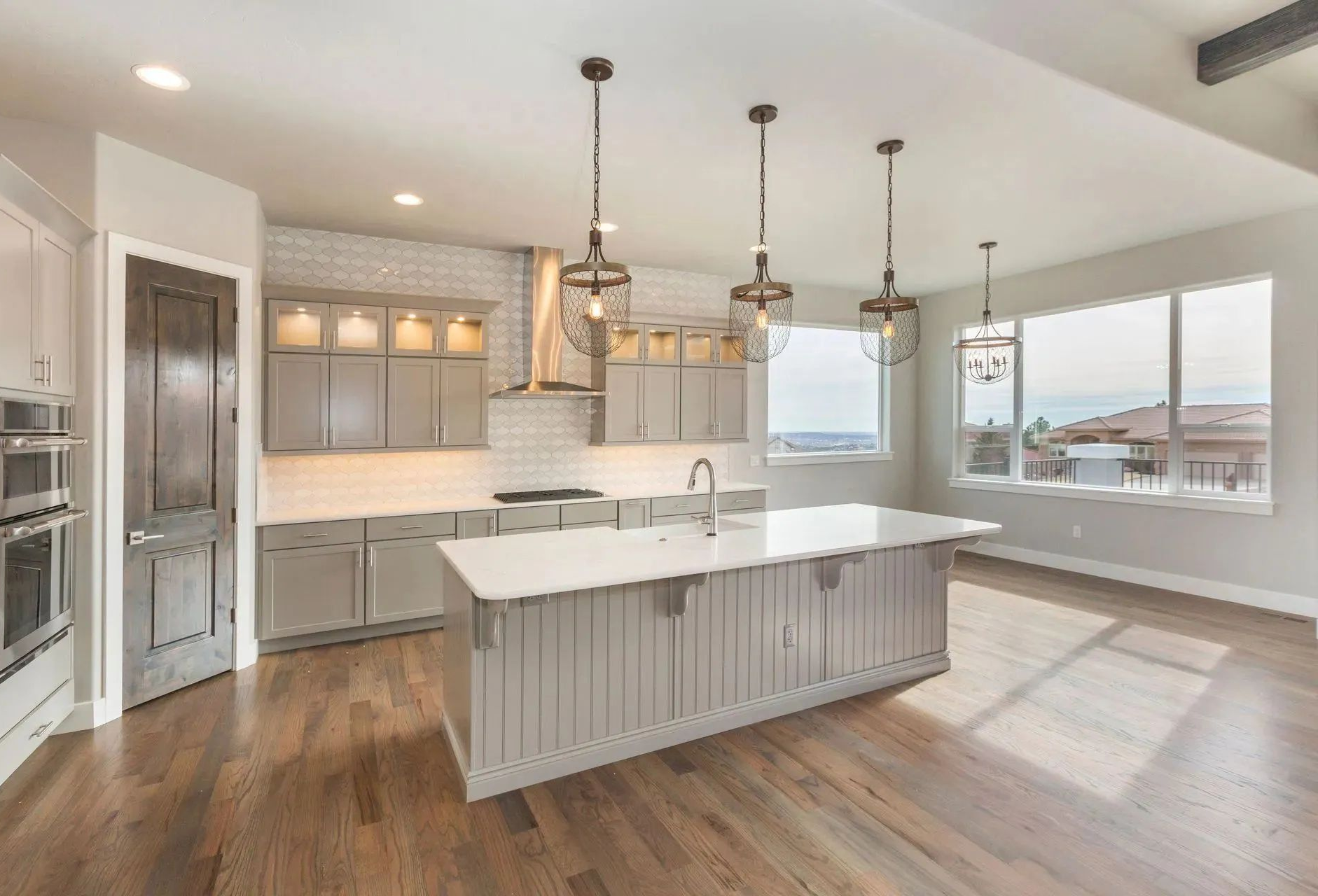
In recent years, quartz countertops have gained immense popularity among homeowners, becoming a top contender in kitchen renovations. Choosing the right material for your kitchen is a crucial decision that influences both the aesthetics and functionality of the space. Understanding the advantages and disadvantages of quartz countertops helps determine if they align with your kitchen needs and personal preferences.
Understanding Quartz Countertops
What is Quartz?
Quartz is a composite material primarily made of natural quartz crystals combined with synthetic resins and pigments. This engineered stone is known for its strength and versatility in design. It contains approximately 94 percent ground quartz, mixed with polyester resins, giving it durability and structural integrity. As a non-porous material, quartz resists stains and bacteria more effectively than porous surfaces. Its composition allows manufacturers to offer a wide range of colors and patterns, mimicking natural stones like granite and marble.
History and Popularity
The rise of quartz countertops began in the late 20th century, quickly becoming popular due to their durable and low-maintenance properties. Over the years, technological advancements have improved the appearance and quality of quartz, making it a staple in modern kitchen design. Unlike natural stones, quartz is engineered, enabling precise control over the color and pattern variations. As more designers and homeowners search for practical and aesthetic solutions, quartz continues to surge in popularity. Its growth is further fueled by the decreasing stigma of synthetic materials in favor of their functionality.
Distinguishing Features
Quartz countertops boast unique features that set them apart from other kitchen materials. One major advantage is their non-porous surface, which ensures superior resistance to moisture, stains, and bacteria. Additionally, the manufacturing process allows for consistent patterns and coloring, offering a uniform look across large installations. Quartz is also highly durable, withstanding impacts and daily wear and tear better than most natural stones. These attributes make quartz a premier choice for busy kitchens that require a resilient and dependable surface.
Common Variations
Homeowners have access to a diverse selection of styles, colors, and finishes when opting for quartz countertops. From classic solids to intricate veined designs, quartz can replicate the appearance of marble, granite, and other stones while offering the benefits of an engineered product. Matt, polished, and textured finishes enhance the adaptability of quartz, ensuring it complements various interior design themes. This wide spectrum of choices enables homeowners to personalize their kitchens without compromising the performance offered by traditional materials. This versatility in design positions quartz as a strong contender for modern kitchen renovations.
Cost Comparison
When considering materials for kitchen countertops, cost is a significant factor for many homeowners. Quartz countertops are typically priced mid to high-end, often positioned between granite and marble in terms of affordability. On average, quartz may range from $60 to $100 per square foot, including installation, depending on brand and design complexity. While the initial investment in quartz can be substantial, its durability and low maintenance could offer savings in upkeep over time. In comparison, other materials might present upfront savings but necessitate frequent resealing or repairs, which adds to their long-term expense.
Advantages of Quartz Countertops
Durability and Strength
According to This Old House, engineered quartz countertops are arguably the most durable option for kitchens due to their composition of approximately 94 percent ground quartz blended with polyester resins. This robust mix provides exceptional scratch and impact resistance, ensuring long-term usability for busy households. Quartz stands up to everyday kitchen rigors, from knife marks to dropped kitchenware, maintaining its surface integrity over years. Unlike certain natural stones, quartz doesn't chip or fissure easily, offering peace of mind for families. This resilience makes quartz an attractive option for those valuing longevity in their kitchen investments.
Low Maintenance
One of the standout features of quartz countertops is their minimal maintenance requirements. Unlike granite or marble, quartz doesn't need routine sealing to maintain its stain resistance, saving both time and money. Routine cleaning with mild soap and water is generally sufficient to keep quartz looking pristine. Additionally, its non-porous surface minimizes the chances for bacteria-related issues, enhancing its appeal as a hygienic kitchen solution. The ease of care associated with quartz is a key benefit for modern homeowners who prioritize convenience and efficiency.
Design Versatility
Quartz countertops offer tremendous design flexibility, enabling homeowners to tailor their kitchens to match personalized aesthetics. With a vast array of colors, patterns, and finishes available, quartz can emulate the look of natural stones or stand on its own with unique, contemporary designs. This versatility extends to matching various cabinetry and backsplash styles, making quartz an adaptable option for different kitchens. Whether it's an ultra-modern kitchen or a traditional space with classic appeal, quartz possesses the ability to seamlessly integrate into diverse design visions. This trait enhances its desirability among eclectic and design-conscious homeowners.
Stain and Bacteria Resistance
The non-porous nature of quartz countertops provides superior resistance to stains and bacteria, ensuring a safe and clean food preparation environment. Unlike porous materials that absorb spills, quartz's surface repels liquids, contributing to easier maintenance and preventing unsightly staining. This characteristic is particularly beneficial in kitchens where spills from acidic substances like wine or citrus can occur. Moreover, the resistant surface discourages bacterial growth, aligning with health-conscious practices. Homeowners considering quartz can expect a cleaner, more hygienic countertop option compared to many natural stone counterparts.
Environmental Considerations
Quartz countertops provide eco-friendly options through their refined manufacturing process and sustainable practices. Some manufacturers have received certifications for using recycled content, incorporating eco-conscious methodologies in their production. Additionally, the durability and longevity of quartz contribute to its sustainability, as fewer replacements and repairs are typically needed, reducing waste. While natural stones require mining and quarrying, engineered quartz minimizes environmental disruption, enhancing its appeal to green-minded home renovators. Prospective buyers with sustainability initiatives in mind may find quartz a compelling choice for their kitchens.
Drawbacks of Quartz Countertops
Heat Resistance Issues
Despite its myriad advantages, quartz countertops do battle limitations pertaining to heat resistance. Unlike natural stones, quartz may suffer from heat damage if exposed to hot pots and pans without protection. The resins within quartz can undergo distortion or discoloration when subjected to high temperatures, leading experts to recommend using trivets or hot pads as a precaution. Hence, while quartz withstands many daily challenges, it requires specific care regarding heat-related interactions. For some homeowners, the need for vigilant heat management might detract from the overall value of quartz countertops.
Cost Concerns
The investment in quartz countertops may pose budgetary constraints for some homeowners. With costs often comparing to or exceeding granite, quartz is decidedly a premium option requiring a significant financial outlay. Though the upfront expense is counterbalanced by durability and low maintenance factors, budget-conscious buyers may hesitate at the initial price point. Securing a good balance between quality and cost might involve weighing the lifespan benefits against immediate expenditures. Homeowners deciding on quartz will need to assess whether the long-term value justifies the initial expenditure.
In summary, quartz countertops present an appealing mix of durability, low maintenance, and design versatility. Their composite composition of significant quartz content combines strength and ease of care, making them a preferred choice for modern kitchens. While considerations exist regarding heat resistance and initial cost, the benefits often outweigh these cons. Homeowners can gauge quartz's appropriateness by evaluating the balance of aesthetics, budget, and practical needs alongside planned kitchen usage. With informed decision-making, quartz countertops could latch onto value-driven, aesthetic-centered kitchen renovations. Be sure to reach out to Kitchen & Bath Center LLC today to learn more about our professional quartz countertops!